

Introduction
The number of choices available to patients to correct misaligned teeth and enhance their smiles has increased as orthodontic treatments have developed significantly. Traditionally, braces were the most common method for straightening teeth, while newer options like clear aligners offer a more discreet alternative. Both can effectively improve dental alignment, but they differ in appearance, comfort, maintenance, and treatment flexibility, making it important to consult an orthodontist Yorba Linda.
What Are Traditional Braces?
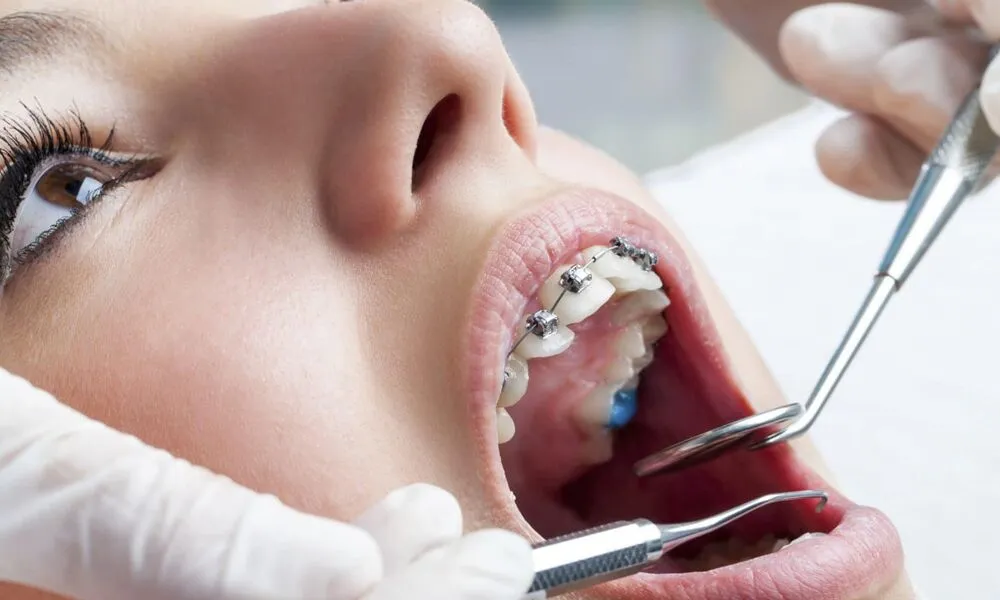
Conventional braces are also considered to be one of the surest orthodontic remedies for correcting the different dental positioning issues. They are metal brackets that are connected to the teeth and linked wires which engage in slowly moving teeth to their correct position.
Orthodontists also fit the wires occasionally to provide the teeth with controlled pressure. Complex cases of orthodontics like severe crowding, large gaps and significant bite problems respond well to braces. They are attached to the teeth and hence they are active during the time of treatment.
A lot of orthodontists are guided by the standards of treatment suggested by the American Association of Orthodontists to guarantee safe and effective outcomes during the use of braces.
What Are Clear Aligners?
Clear aligners are a contemporary orthodontic procedure involving a series of custom-made, transparent trays to progressively move teeth into position. Invisalign is one of the most famous systems.
These aligners are removable and almost transparent, which is why they are very popular among adults and teenagers who do not want to attract attention in any way. A new set of aligners is usually changed after every 1 to two weeks when the patient’s teeth slowly move to the required position.
Clear aligners can typically be used in treating mild to moderate orthodontic issues, but technological progress has extended the use of these to a wide range of more complicated cases.
Appearance and Comfort
The appearance of braces and clear aligners is one of the largest differences between these two types. The traditional braces can be observed due to the brackets and wires made of metal that are fixed to the teeth. As compared to the old designs of the braces, the modern ones are smaller and less conspicuous but are still noticeable.
Clear aligners, however, are transparent and are fitted tightly around the teeth and thus are far less visible. They also come in smooth plastic material which makes them less irritating to the gums and cheeks thus more comfortable to most patients.
Oral Hygiene and Maintenance.
The two also vary in terms of maintenance requirements. Food particles may easily stick around brackets and wires with braces and thus with braces, one has to brush and floss meticulously to ensure good oral hygiene. Clear aligners are also removable which means that the patient can brush and floss regularly. Nonetheless, they need to be used for the advised duration of time in a day to be effective.
Time and Effectiveness of Treatment.
Orthodontic treatments take different periods of time based on the severity of the dental problem. Both simple and complex alignment issues can also be addressed with braces in most situations since they are very precise and constant in terms of the movements of the tooth. Clear aligners may at times provide a quicker cure to minor alignment problems, yet they need regular adherence of a patient. Lack of proper use of aligners may postpone outcomes.
