

When people think about oral health, they often focus on keeping teeth white and free from decay. However, healthy gums are just as important. Gums support the teeth, help protect the bone beneath them, and play a vital role in maintaining a healthy smile.
Gum problems can begin quietly. A little bleeding when brushing or flossing may seem easy to ignore, but it can be an early sign that your gums need more attention. The good news is that consistent care and timely dental advice can often help prevent problems from becoming more serious.
Recognise the Early Signs of Gum Problems
Healthy gums are usually firm, pink, and should not bleed regularly. If plaque builds up around the gumline, it can irritate the gums and cause inflammation.
Common signs to look out for include:
- Bleeding when brushing or cleaning between teeth
- Red, swollen, or tender gums
- Persistent bad breath
- A bad taste in the mouth
- Gums that appear to be pulling away from the teeth
- Teeth that feel loose or change position
Not every symptom means you have serious gum disease, but persistent changes should be checked by a dental professional.
Improve Your Brushing Technique
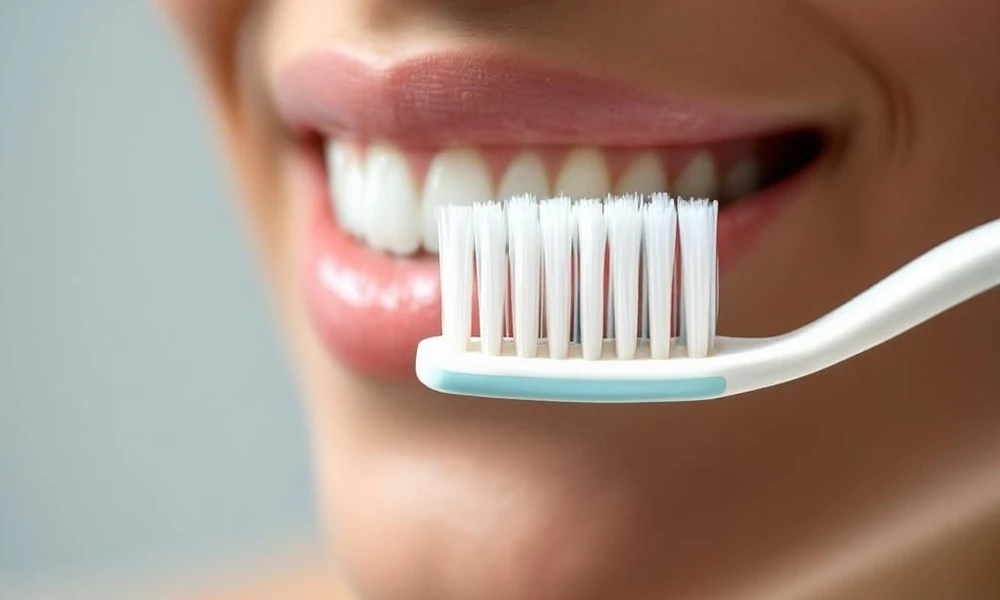
Brushing twice a day with fluoride toothpaste is an essential part of gum care. Aim to brush for around two minutes, taking time to clean all tooth surfaces and the gumline.
Use gentle, controlled movements rather than scrubbing hard. Brushing too aggressively can irritate gums and contribute to enamel wear. A soft-bristled toothbrush is often a good choice for most people.
Pay extra attention to the back teeth and areas where the gums meet the teeth. These places are easy to miss and are common areas for plaque to build up.
Clean Between Your Teeth Every Day
A toothbrush cannot reach all the spaces between teeth. Cleaning these areas daily can help remove plaque and food debris that may otherwise irritate the gums.
Floss
Floss can be helpful for tight spaces where an interdental brush will not fit. Use a gentle motion and avoid snapping the floss down into the gums.
Interdental Brushes
Interdental brushes are small brushes designed to clean between teeth. They come in different sizes, so it is important to use one that fits comfortably without forcing it.
Your dentist or hygienist can advise on the best size and method for your mouth. Using the correct tool can make daily cleaning more effective and comfortable.
Be Mindful of Lifestyle Habits
Smoking is a major risk factor for gum disease and can make it harder to notice early warning signs. It can also affect healing after dental treatment. Stopping smoking is one of the most positive steps you can take for both oral and general health.
Diet also plays a role. Frequent sugary snacks and drinks can encourage plaque growth and increase the risk of tooth decay. Try to limit sugary foods between meals and choose water as your main drink where possible.
Stress, some medical conditions, and certain medicines may also affect gum health. Tell your dentist about changes in your general health or medication.
Attend Regular Dental Appointments
Regular check-ups help your dental team spot gum problems early and provide personalised advice. Your dentist may recommend professional cleaning, changes to your home-care routine, or more frequent reviews if you have a higher risk of gum disease.
The interval between check-ups is based on individual needs. The NHS advises that some people may need appointments more often, while others with low risk and healthy teeth and gums may wait longer between visits. NHS dental check-up guidance
For advice on preventative care and concerns about bleeding gums, a visit to dental-perfectionuk.co.uk can help you understand the next steps for your individual oral health.
Do Not Wait if Symptoms Continue
If your gums continue to bleed, feel swollen, or cause discomfort despite improving your cleaning routine, book a dental appointment. Gum disease can progress without causing severe pain in the early stages, so waiting for symptoms to become worse is not a good idea.
Seek prompt dental advice if you have facial swelling, severe pain, a loose tooth, or bleeding that does not stop.
Frequently Asked Questions
Is it normal for gums to bleed when brushing?
Occasional bleeding can happen, but regular bleeding is not something to ignore. It may be a sign of gum inflammation and should be discussed with a dental professional if it continues.
Can gum disease be reversed?
Early gum inflammation can often improve with thorough daily cleaning and professional advice. More advanced gum disease requires ongoing dental management.
Should I stop flossing if my gums bleed?
No. Gentle cleaning between teeth is important. However, if bleeding continues, ask your dentist or hygienist for guidance on technique and suitable cleaning tools.
How often should I have a dental check-up?
Your dentist will recommend an interval based on your oral health and risk of future problems. It may range from a few months to up to two years.
Conclusion
Healthy gums require daily care, not just occasional attention. Brushing gently, cleaning between teeth, reducing frequent sugar intake, and attending regular dental appointments can all support a healthier mouth. If you notice bleeding, swelling, or persistent bad breath, seek professional advice early so you can protect your smile with confidence.
