

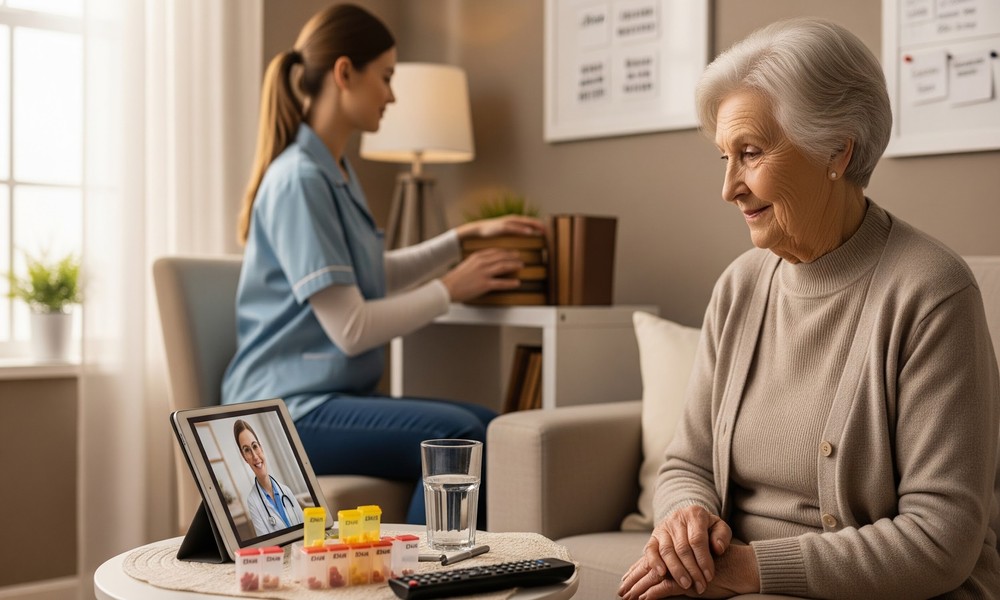
Many older adults want to stay in their own homes as they age. Familiar surroundings, personal routines, and a sense of independence can support emotional well-being and quality of life. But staying safe and healthy at home often takes more than occasional medical visits. Changes in mobility, medication needs, chronic conditions, and memory or thinking can create new day-to-day challenges that call for steady, coordinated support.
Aging at home works best when healthcare and daily assistance are connected. When primary care providers, specialists, mental health professionals, and in-home caregivers share information and work from the same plan, older adults are more likely to stay independent while keeping up with evolving health needs. For families, understanding how these pieces fit together makes it easier to build a care plan that feels realistic, supportive, and sustainable.
Understanding the Benefits of Aging in Place
“Aging in place” means living safely and comfortably at home as health needs change over time. For many seniors, staying home protects autonomy, routines, and community ties. A familiar environment can also ease stress, especially for people experiencing cognitive changes.
Studies have found that aging at home can support mental and emotional health compared to institutional settings, as long as the right supports are in place. That support usually includes home safety updates, regular health monitoring, and dependable access to medical care. Independence should never come at the cost of well-being, and planning ahead helps prevent that tradeoff.
Daily Support and In-Home Assistance
Medical care does not cover every challenge that comes with aging. Everyday tasks like cooking, managing medications, getting to appointments, and keeping up with household routines can become harder over time. In-home support services help fill those gaps and make daily life safer and more predictable.
Services like those offered by Alpenglow Homecare in Colorado, which provides in-home senior care, medication support, and companionship, can help older adults stay independent while getting the assistance they need. Caregivers often notice small changes in appetite, energy, mood, or mobility early on. That kind of day-to-day visibility helps families and healthcare providers respond sooner, before a small concern becomes a crisis. Companionship also matters; it can reduce isolation and support emotional well-being.
Medication Management and Health Monitoring
Many older adults take several medications, which increases the risk of missed doses, side effects, and drug interactions. That makes medication management a core part of aging at home safely. Clear schedules, organized medication systems, and regular communication with healthcare providers can reduce complications and prevent avoidable hospital visits.
Caregivers and medical providers can work together to keep medications accurate and up to date. When someone is observing day-to-day changes, it becomes easier to notice side effects early, track symptoms, and report concerns to the prescribing clinician. Routine monitoring supports timely adjustments, which can protect both safety and quality of life.
The Role of Primary and Geriatric Medical Care
Primary care providers often serve as the hub for an older adult’s healthcare. Routine visits, chronic disease management, medication reviews, and preventive screenings help catch issues early and keep treatment on track. Geriatric-focused care adds expertise around age-related concerns such as fall risk, cognitive decline, and functional changes.
Healthcare organizations such as Grand Forks Clinic (https://grandforksclinic.com/), which offers primary care and geriatric care services, emphasize ongoing relationships between patients and providers. Consistent oversight helps clinicians spot patterns over time, adjust treatment plans, and coordinate referrals when specialist care is needed. That continuity becomes even more important when someone is managing multiple conditions at once.
Coordinating Care Across Multiple Providers
Aging at home often involves several professionals: primary care physicians, specialists, therapists, and caregivers. Without coordination, families can end up repeating the same information, missing key updates, or managing conflicting recommendations. Clear communication keeps everyone aligned and reduces the chances of gaps in care.
Families often support coordination by attending appointments, maintaining a current medication list, and sharing updates across providers. Technology can help too, including patient portals and telehealth visits when appropriate. When care is coordinated, older adults usually get clearer guidance, fewer surprises, and more consistent support.
Managing Mobility and Physical Function
Mobility changes are one of the biggest factors affecting whether a senior can remain safely at home. Joint pain, balance issues, nerve problems, and chronic back conditions can limit movement, raise fall risk, and chip away at confidence. Addressing mobility concerns early can help prevent injuries and preserve independence.
Back pain specialists, such as those at CalSpine MD, which provides spine care, back pain treatment, and mobility support, may be part of the care team when musculoskeletal or neurological conditions interfere with daily function. Treatment might include physical therapy, targeted pain management, or other interventions. When medical mobility care is paired with home-based assistance, seniors often feel more secure moving through their space and keeping up with routines.
Mental Health and Emotional Well-Being
Emotional health is not optional in aging; it is foundational. Loneliness, anxiety, depression, and cognitive changes can affect sleep, appetite, motivation, and physical health. Chronic conditions and functional limitations can also create stress, especially when independence starts to feel uncertain.
Mental health services, including those provided by organizations such as Kimball Health Services, which offers mental health care, can help older adults manage emotional challenges. Counseling, therapy, and psychiatric care may support coping skills, reduce distress, and build resilience during life transitions. When mental health is treated as part of the overall care plan, emotional needs are less likely to be overlooked.
Supporting Families and Caregivers
Family members often take on caregiving responsibilities while balancing work and their own households. That role can be meaningful, but it can also be physically and emotionally demanding. Access to professional support helps reduce caregiver strain and can improve outcomes for everyone involved.
Respite care, caregiver education, and community programs give families room to rest and recharge. Open communication, realistic expectations, and clear boundaries also help caregiving stay sustainable. When caregiver needs are included in the care plan, the entire support system tends to hold up better over time.
Conclusion
Aging at home takes more than determination and independence. It depends on coordination between medical care, daily assistance, and emotional support. When healthcare providers, caregivers, and families share information and work from a unified plan, older adults can maintain safety, dignity, and quality of life in the place they know best.
By bringing together primary care, specialty treatment, mental health support, and in-home assistance, seniors are better equipped to manage health changes while preserving autonomy. With the right team and a practical plan, aging at home can feel steady, comfortable, and genuinely empowering.
