

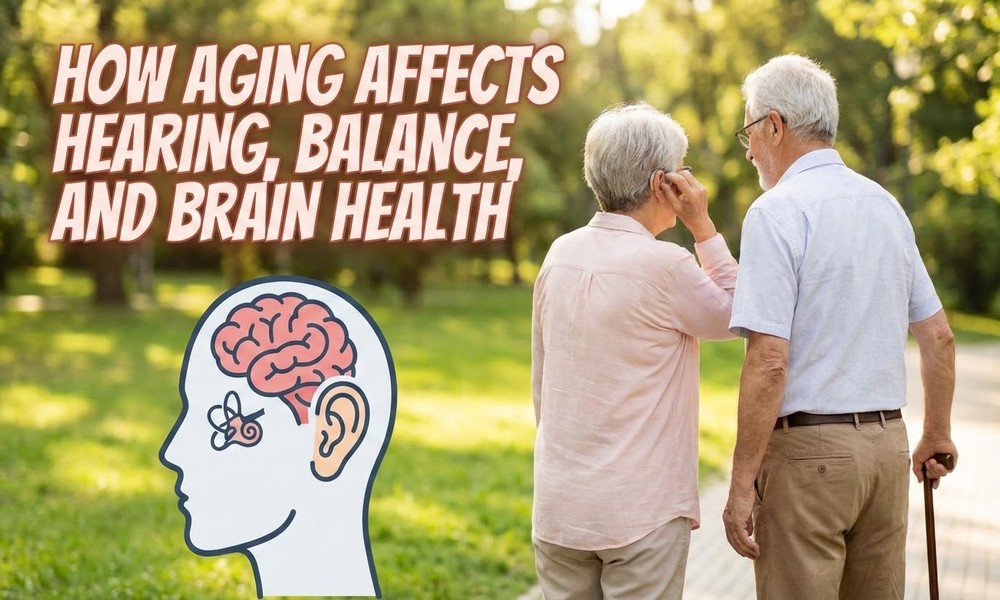
Aging is a natural process that affects nearly every system in the body. While changes like graying hair or reduced mobility are easy to notice, shifts in hearing, balance, and brain function often happen more quietly. These changes can develop gradually, making them easy to overlook until they begin to interfere with daily life.
Understanding how aging influences these systems is important for maintaining independence, safety, and overall quality of life. Hearing, balance, and brain health are deeply connected, and even small changes in one area can affect the others. By recognizing early signs and taking practical steps, individuals and families can better support healthy aging.
Changes in Hearing with Age
Hearing loss is one of the most common age-related conditions. It often begins with difficulty hearing high-pitched sounds or following conversations in noisy environments. Over time, this can progress to more noticeable communication challenges. This condition, known as presbycusis, typically affects both ears and develops gradually.
Inside the ear, tiny hair cells in the cochlea play a key role in translating sound vibrations into signals for the brain. As people age, these cells can become damaged or die off, and unlike some other cells in the body, they do not regenerate. This leads to a permanent reduction in hearing sensitivity.
Regular hearing evaluations can help detect these changes early. Clinics such as Apex Audiology often focus on comprehensive audiology services, including hearing tests and personalized approaches to hearing loss treatment. Early assessment allows individuals to understand their hearing profile and consider options before communication becomes significantly affected.
The Link Between Hearing and Communication
Hearing is not just about sound. It plays a central role in how people connect with others. As hearing declines, conversations may require more effort, leading to frustration or withdrawal from social situations. Over time, this can impact relationships and emotional well-being.
When communication becomes difficult, the brain must work harder to fill in gaps. This increased cognitive load can lead to fatigue and reduced comprehension. People may find themselves avoiding group conversations or public settings where listening becomes challenging.
Supportive strategies, such as using assistive listening devices or improving listening environments, can make a meaningful difference. Hearing aids from Infinity Hearing, for example, are designed to amplify specific frequencies and improve clarity. Audiology providers often focus on hearing care for seniors, helping individuals adapt to these tools in ways that feel natural and manageable.
Balance and the Aging Body
Balance is another system that changes with age, often in subtle ways. Maintaining balance requires coordination between the inner ear, vision, muscles, and brain. When any of these systems weaken, stability can be affected.
The inner ear contains the vestibular system, which helps detect motion and spatial orientation. Over time, this system can become less sensitive. Combined with reduced muscle strength or slower reflexes, this can increase the risk of falls.
Falls are a major concern for older adults because they can lead to serious injuries and long recovery times. Even a minor loss of balance can have significant consequences. Paying attention to early signs, such as dizziness or unsteadiness, is key to preventing complications.
How Hearing and Balance Are Connected
Hearing and balance share a close physical and functional relationship. Both systems are located in the inner ear and rely on similar structures to send information to the brain. When one system is affected, the other can be influenced as well.
For example, conditions that damage the inner ear can lead to both hearing loss and balance issues. People may experience symptoms such as vertigo, a spinning sensation, or difficulty maintaining stability while walking.
Because of this connection, it is important to evaluate both hearing and balance when symptoms arise. A thorough neurological health evaluation, such as those provided by Haynes Neurosurgical Group, can help identify whether symptoms are related to the brain, inner ear, or another underlying cause. This type of assessment can guide appropriate care and reduce uncertainty.
Cognitive Changes and Brain Health
Aging also affects the brain in ways that can influence memory, processing speed, and attention. While some changes are considered a normal part of aging, others may signal more significant concerns.
Research has shown a link between untreated hearing loss and cognitive decline. When the brain receives less auditory input, it may begin to reorganize resources, sometimes at the expense of memory and thinking functions. Social isolation, which can result from hearing difficulties, may further contribute to this decline.
Maintaining brain health involves staying mentally and socially engaged. Activities such as reading, conversation, and problem-solving exercises help keep neural pathways active. Addressing hearing issues early can also reduce the strain on cognitive systems and support overall brain function.
The Role of Daily Support and Environment
As hearing, balance, and cognitive abilities change, the home environment and daily routines become increasingly important. Small adjustments can improve safety and independence. For example, better lighting can reduce fall risk, while minimizing background noise can improve communication.
In some cases, additional support may be helpful. In-home senior support services, like those offered by Alpenglow Homecare in Colorado, can assist with daily tasks, mobility, and monitoring changes in health. A personal caregiver can also provide companionship, which supports both emotional and cognitive well-being.
Creating a supportive environment is not just about safety. It is also about maintaining dignity and quality of life. When individuals feel supported, they are more likely to stay active and engaged.
Preventive Measures and Healthy Habits
While aging cannot be stopped, certain habits can help slow or manage its effects on hearing, balance, and brain health. Protecting hearing from excessive noise is one of the most important steps. Even in later life, avoiding loud environments or using hearing protection can preserve remaining hearing ability.
Physical activity also plays a key role. Exercises that improve strength and balance, such as walking or gentle stretching, can reduce the risk of falls. Regular checkups with healthcare providers help monitor changes and address concerns early.
Nutrition and sleep are equally important. A balanced diet supports brain function, while good sleep helps with memory and overall health. These everyday habits may seem simple, but they have a significant impact over time.
Recognizing When to Seek Help
It can be difficult to know when age-related changes require professional attention. Gradual changes are easy to dismiss, but certain signs should not be ignored. These include frequent difficulty hearing conversations, persistent dizziness, memory problems, or noticeable changes in behavior.
Early intervention often leads to better outcomes. Whether it involves hearing assessments, balance evaluations, or neurological testing, identifying the cause of symptoms is the first step toward effective management.
Family members also play an important role. They may notice changes that the individual does not recognize. Open communication and a supportive approach can encourage timely action without creating unnecessary stress.
Conclusion
Aging affects hearing, balance, and brain health in interconnected ways. These changes can influence communication, mobility, and overall well-being, often developing gradually over time. While some level of change is expected, understanding what is happening in the body makes it easier to respond effectively.
By staying aware of early signs, maintaining healthy habits, and seeking appropriate support when needed, individuals can continue to live active and fulfilling lives. Aging may bring challenges, but with the right knowledge and care, it is possible to navigate these changes with confidence and resilience.
