

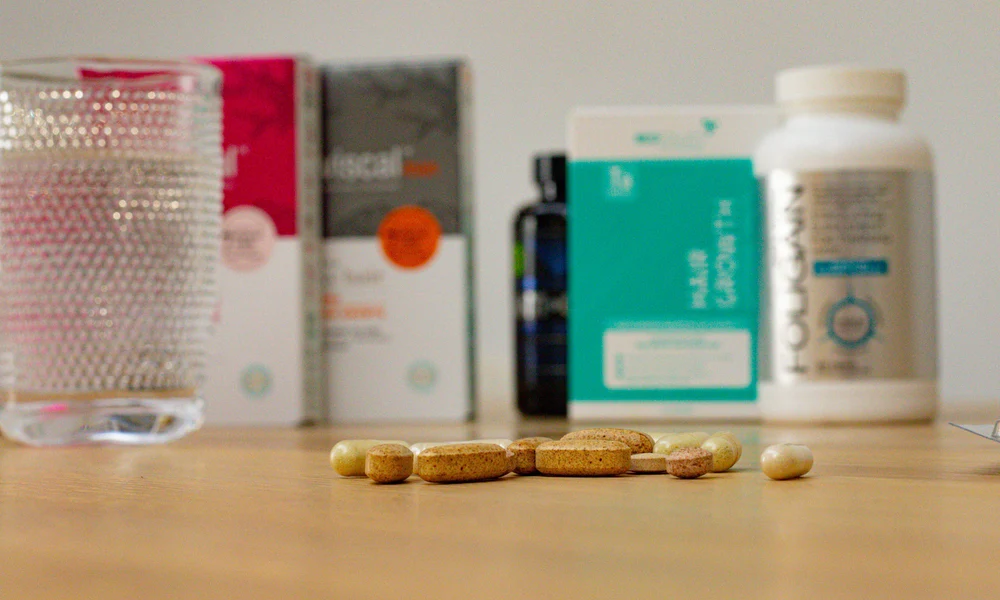
The most useful Supplements for Hair Growth are generally those that address a genuine nutritional deficiency. Pharmacy shelves are filled with hair supplements, but many are expensive and poorly formulated. A smaller group of nutrients has stronger research behind it, and correcting a deficiency in one of them may genuinely support healthier hair growth.
The most evidence-backed supplements for hair growth are biotin, iron, zinc, Vitamin D, collagen, and omega-3 fatty acids. If your hair is thinning or growing slowly, one of these is likely playing a role.
Why Nutrients Matter for Hair Growth
Hair follicles are among the most metabolically active cells in the body. They require a constant supply of energy, amino acids, vitamins, and minerals to produce hair. When any of these drop below optimal levels, the follicle downregulates – hair becomes finer, grows more slowly, and may shed more easily.
Hair loss from nutritional deficiency is often diffuse (affecting the whole scalp rather than one area) and typically reversible once the deficiency is corrected. That’s what makes targeted supplementation so worthwhile.
The Best Supplements for Hair Growth
Biotin (Vitamin B7)
Biotin is the most hyped hair supplement – and while the marketing goes way overboard, there’s a real basis to it. Biotin deficiency does cause hair loss and brittle nails. The problem is that true deficiency is rare in healthy adults. If you’re already getting enough from food (eggs, nuts, seeds), taking more won’t dramatically speed up growth. But if you’re deficient – more common in pregnant women, people with gut absorption issues, or those on certain medications – supplementation can restore hair health noticeably.
Iron
Iron deficiency is one of the most common and overlooked causes of hair loss, especially in women. Low ferritin (stored iron) affects the hair growth cycle even before you’re clinically anaemic. Getting a full iron panel – including ferritin levels – is worthwhile if you’re experiencing diffuse hair loss. Don’t self-supplement with iron without testing; iron excess is harmful.
Zinc
Zinc plays a role in protein synthesis and cell division – both critical for hair follicle function. Deficiency leads to hair thinning and loss, and is relatively common in people eating low-meat diets, the elderly, and those with digestive disorders. Zinc supplementation helps in confirmed deficiency, but high doses can actually cause hair loss, so balance matters.
Vitamin D
Vitamin D receptors are present in hair follicles, and deficiency is strongly associated with alopecia areata (patchy hair loss) and other forms of thinning. Given how widespread Vitamin D deficiency is globally – especially in people with limited sun exposure – this is one supplement worth checking regardless of hair concerns.
Collagen
Collagen provides amino acids (especially proline) that are building blocks for keratin, the protein hair is made from. Marine collagen in particular has been shown in some studies to reduce hair thinning and increase hair diameter. It also supports scalp skin health. Collagen peptides are well-absorbed and generally safe.
Omega-3 Fatty Acids
Fish oil and flaxseed oil provide omega-3s that help reduce scalp inflammation – a common underlying factor in hair loss. One 6-month study found that omega-3 supplementation significantly reduced hair loss and increased hair density. They also support the scalp’s natural oil production, which keeps follicles healthier.
At-a-Glance Comparison
| Supplement | Best For | Dose | Evidence | Notes |
| Biotin | Deficiency-related loss | 2.5-5 mg/day | Moderate | Most useful if deficient |
| Iron | Diffuse hair loss (women) | Doctor’s advice | Strong | Test ferritin first |
| Zinc | Thin/brittle hair | 8-11 mg/day | Moderate | Don’t exceed 40mg/day |
| Vitamin D | Alopecia, thinning | 1,000-2,000 IU/day | Strong | Very commonly deficient |
| Collagen Peptides | Hair thickness/density | 5-10 g/day | Moderate | Marine collagen preferred |
| Omega-3 (Fish Oil) | Scalp inflammation | 1-3 g EPA/DHA/day | Moderate | Pairs well with Vitamin E |
How Long Until You See Results?
Patience is non-negotiable with hair supplements. Hair grows roughly 1-1.5 cm per month. Most people need at least 3-6 months of consistent supplementation before seeing meaningful changes in thickness or density. Shedding may actually increase temporarily in the first few weeks as the growth cycle resets – this is normal and expected.
What to Look for When Buying
Third-party tested products from reputable brands are worth the extra cost. For iron, look for ferrous bisglycinate (gentle on the stomach). For omega-3s, choose products that list EPA and DHA amounts separately. For Vitamin D, D3 (cholecalciferol) is better absorbed than D2.
When Supplements Won’t Be Enough
If hair loss is sudden, patchy, or accompanied by other symptoms like fatigue, weight changes, or skin issues, see a doctor. Conditions like thyroid disorders, autoimmune conditions, hormonal imbalances, and scalp infections require medical treatment – supplements alone won’t address the root cause.
