

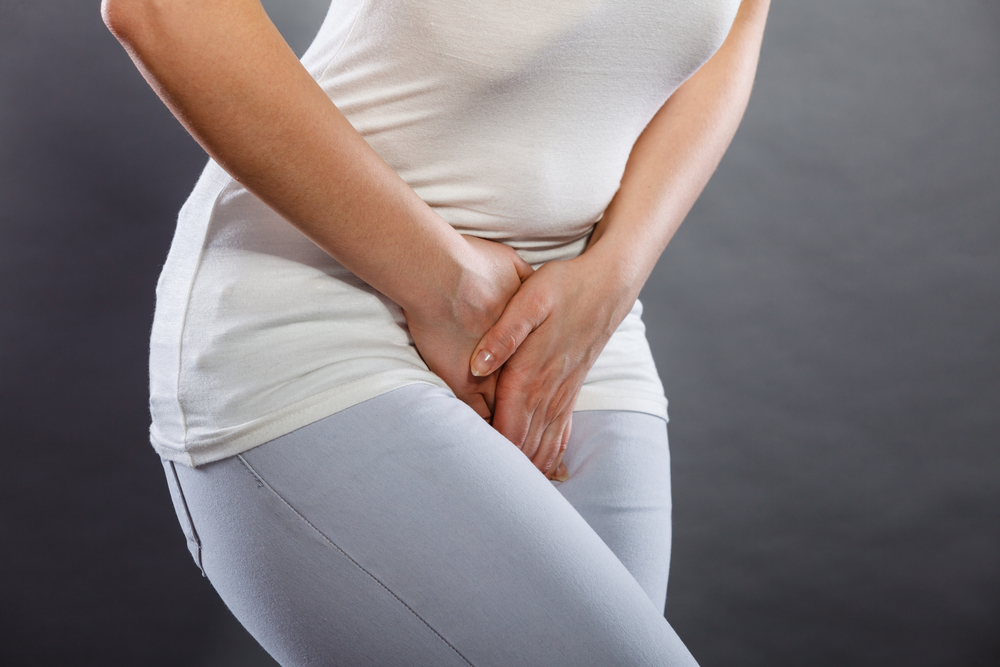
Incontinence is a condition that people from all walks of life suffer with. You often see that most commonly older people, especially those living in full-time care, need assistance with incontinence issues, but it can also be seen in younger people, both men and women, caused by a wide range of issues, injuries and illnesses. If you are beginning to suffer with incontinence or you live with a loved one who it is clear will require full-tine incontinence care in the near future, it is important to understand what will be needed from you to live a mobile, clean, healthy life despite incontinence.
What is incontinence?
Any involuntary or accidental leakage of urine or faeces can be described as incontinence. It happens to both men and women, and people of any age, but those with chronic health problems, or older people, are more likely to experience problems with it. Incontinence is challenging for carers, as it can happen at any time, causing discomfort and poor hygiene if left unmanaged. For those requiring full-time incontinence care, it could be the case that adult incontinence pants or pads are needed to be worn all day, and waterproof bedsheets are required at night.
Luckily, there is help available, with a wide range of incontinence products now available for those in need of full-time incontinence care and a thorough medical assistance available.
Caring for a person suffering with incontinence
The first thing to do is to ensure that a continence assessment takes place. Through your GP and medical team, a thorough plan of action can be put together based on the specific needs of the person you are caring for. This can only be effective if it is clear what type of incontinence is being suffered, the severity of it, the impact of it on daily life, and the causes. If a person can still wash and cloth themselves, they’ll have fewer requirements for care than a person who is bed bound and unable to look after themselves at all.
How to manage incontinence
There are a few things that can be done to manage and treat incontinence just after an assessment. This includes increasing fluid intake, putting in place a high-fibre diet, muscle exercises and bladder training, alongside medications and incontinence products. The treatment will be different for each person.
Incontinence products have improved drastically in recent years, with absorption levels of incontinence pants and associated products much greater than they once were. A person suffering with incontinence can gain greater mobility and comfort than ever before due to the help that incontinence products offer.
Helping those with incontinence
Working as a carer for a person suffering with incontinence is challenging. It is best to create a calm atmosphere, where there are plenty of toilet aids and the person is not rushed when they do need to go to the toilet. Learn the habits and times of incontinence and this will greatly help with building a routine that works for that specific person. The carer should wear disposable health and hygiene products to make sure there is always a clean environment.
Understanding the implications of full-time incontinence care is very important if you are caring for a loved one or beginning to suffer incontinence. It shows you the pathway ahead and how you can now rely on great support from both the medical profession and suppliers of incontinence products. Incontinence, whether urinary incontinence, faecal, or both, has a massive impact on the confidence of the person suffering with it. It can take away your mobility, a peaceful night’s sleep, and ensure that you must think about every action you do. With the right level of support and incontinence support products, you can have a good life.
