

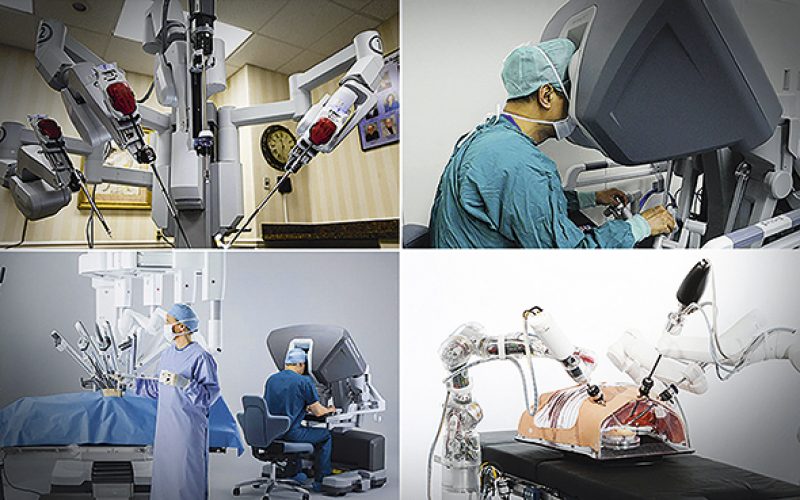
Spinal surgery demands precision, as even small errors in alignment or hardware placement can impact stability and long-term outcomes. Robotics has emerged as a powerful tool to support surgeons in achieving this precision. Dr. Larry Davidson, a leading figure in the field of minimally invasive spinal surgery, has observed how robotic systems have reshaped procedures by combining planning software, navigation and real-time guidance in the operating room.
The rise of robotics represents more than technological progress. It reflects a commitment to safer surgeries, reduced complications and more consistent patient outcomes. By reducing variability and supporting surgeon expertise, robotics has become a central component of modern spinal procedures.
How Robotics Works in Spine Surgery
Robotic systems in spinal surgery combine preoperative planning with intraoperative navigation. Before surgery, imaging scans are uploaded into planning software, allowing surgeons to map out screw trajectories, implant placement and alignment goals. During the procedure, the robot guides instruments along these predetermined paths, with sub-millimeter accuracy.
The system acts as an extension of the surgeon’s hands, reducing the risk of misplacement and providing stability during complex maneuvers. Surgeons remain in control, while the robot helps align each step with the preoperative plan. This synergy between human expertise and robotic precision improves safety and consistency, giving patients greater confidence in their outcomes.
Benefits of Robotic Assistance
The benefits of robotics are significant for both patients and surgeons. For patients, robotic accuracy reduces the risk of nerve injury, vascular complications and hardware failure. By improving precision, robots also increase the likelihood of achieving strong spinal fusion and long-term stability.
For surgeons, robotics reduces fatigue and increases confidence in challenging cases. Complex procedures that once relied heavily on anatomical landmarks, now benefit from digital overlays and robotic precision. It minimizes variability and improves consistency across cases.
Minimally Invasive Surgery and Robotics
Robotics pairs naturally with minimally invasive surgery. Small incisions and limited visibility can make traditional hardware placement challenging, but robotic guidance maintains accuracy, even within narrow working corridors. It reduces surgical trauma, shortens recovery time and lowers complication risks.
Patients experience smaller scars, less blood loss and faster returns to activity. Robotics has broadened the scope of cases that can be treated through minimally invasive approaches, making these benefits available to more patients.
Robotics in Fracture Surgery
Spinal fractures often present distorted anatomy, making hardware placement challenging. Robotics improves safety by providing real-time guidance based on imaging and preoperative planning. It allows for accurate screw placement, even in fragile or misaligned bone. By stabilizing fractures with greater precision, robotics reduces the need for revision surgeries and lowers complication rates. Patients recover with greater confidence in the lasting stability of their surgical repair.
Dr. Larry Davidson emphasizes, “Combining advanced robotic tools with surgical expertise elevates patient care, by making procedures safer and recovery more manageable.” His perspective highlights how robotics is most powerful when paired with human judgment, making sure that advanced tools directly translate into safer operations and more reliable outcomes.
Robotics in Deformity Correction
Deformity surgeries, including those for scoliosis or kyphosis, involve extensive instrumentation spanning multiple spinal levels. Robotic systems enhance alignment by guiding each implant according to a precisely mapped surgical plan, helping long constructs achieve proper balance and stability.
Preoperative modeling allows surgeons to anticipate potential challenges and refine their approach, before entering the operating room. In complex deformity cases, robotics offers added confidence that spinal corrections are both accurate and durable.
Training the Next Generation
As robotics becomes more integrated into spinal surgery, surgical education continues to evolve. Residents and fellows now train in both traditional and robotic techniques, gaining experience through simulation labs that replicate real surgical planning and execution. Mentorship remains essential, focusing not only on technical skill, but also on responsible integration. The goal is to help new surgeons understand how to use robotic tools to strengthen their clinical judgment, rather than rely on them to replace it.
Cost Considerations and Value
Robotic systems require significant investment in equipment and training, but studies suggest that long-term savings offset these costs. By reducing revision rates, shortening hospital stays and lowering complication risks, robotics creates economic value for both patients and healthcare systems. Patients also value the improved predictability and outcomes that robotics offers. The combination of safety and effectiveness strengthens confidence in surgical care.
Athletes and Robotics
Athletes with spinal injuries face unique pressures to return to activity, quickly. Robotics provides the precision needed to stabilize fractures or correct deformities, without compromising long-term performance. By shortening recovery times and promoting durable outcomes, robotics helps athletes return to training and competition safely. For them, the precision and efficiency of robotic surgery directly support career longevity and peak performance.
Advances on the Horizon
The future of robotics in spinal surgery will likely see even greater integration with AI and imaging. Predictive modeling may allow robots to adjust plans in real time based on intraoperative findings. Improved haptic feedback may give surgeons a greater sense of control, blending digital guidance with tactile awareness. Portable and more affordable robotic systems are also expected to expand access, making robotic surgery available beyond large academic centers. These advances promise to bring robotics’ benefits to a wider range of patients.
Patients as Partners in Robotic Care
Patients play an important role in the success of robotic surgery. Understanding how robotics supports accuracy and safety helps them make informed choices about their care. Education helps patients see robotics as an extension of the surgeon’s skill, not a substitute for human expertise. Trust remains at the heart of the patient-surgeon relationship, and clear explanations of how robotics is used to build confidence and encourage active participation in recovery.
The rise of robotics in spinal surgery reflects a broader shift toward precision and patient-centered care. As systems become more advanced and widely available, their impact on outcomes and recovery will continue to grow. It means safer surgeries, shorter recoveries and stronger long-term results for patients. For surgeons, robotics offers a reliable partner in managing the complexity of spinal procedures.
Robotics has transformed spinal surgery by combining preoperative planning, navigation and real-time guidance into one powerful system. Its benefits include greater accuracy, reduced complications and expanded opportunities for minimally invasive care. The experience highlights that while technology develops, the principles of patient-centered care remain constant. Robotics strengthens, not replaces, surgical expertise, making sure that patients receive care that is both precise and compassionate.
