

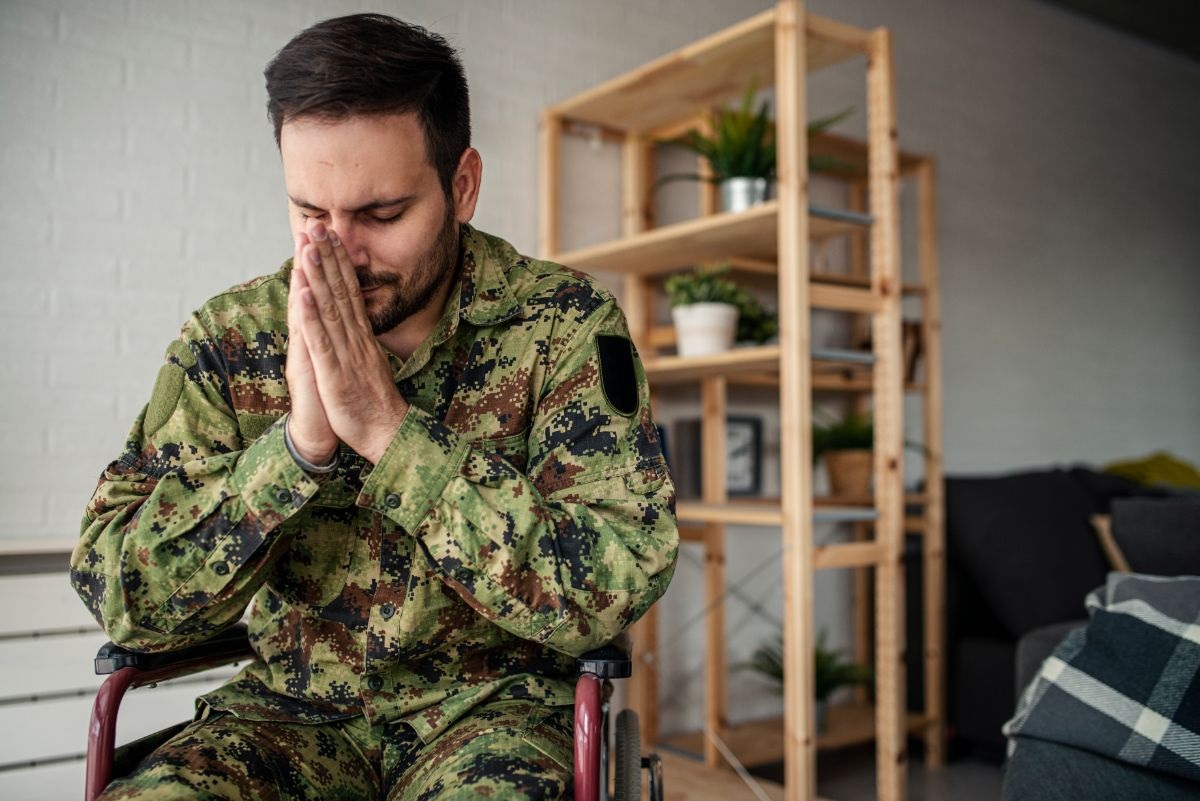
There is a lot being asked of the men and women in public safety. From those we rely on in a medical emergency to those we trust to uphold justice, these professionals tirelessly work demanding — and all-too-often thankless — jobs. Is enough being done to keep them safe while they keep us safe? Here is a brief look into the mental health struggles our first responders face.
A recent study discovered more firefighters die from suicide than in the line of duty. What’s more, it’s estimated every year there are between 125 and 300 police officers who commit suicide. These documented higher rates of suicide, attempt and ideation are alarming. Typically, they are the result of the trauma and emotional stress stemming from their vocations.
Individuals who work these high-risk, high-stress jobs deal with dangerous — sometimes life-threatening — situations. During such situations, they may face personal injuries, environmental hazards, demanding circumstances and so many more factors with the potential to drastically affect their mental health. Additional work-based factors known to have an effect are long working hours, physical strain and lack of sleep.
With all of these experiences, it shouldn’t be surprising that when compared to the general population, 30% of first responders develop depression, post-traumatic stress disorder (PTSD) and similar behavioral health conditions. The stress doesn’t just go away off the clock, and it doesn’t look the same for every person. Officers and other public safety professionals with PTSD can suffer everything from substance abuse, anger, anxiety, issues sleeping and digestive problems among many other possible symptoms.
While resources and assistance are available to individuals combating PTSD, mental health is still stigmatized. This stigma is prevalent in the United States but is especially common amid these professions. Such social and cultural barriers often delay treatment and leave public safety professionals fighting the battle alone.
Fortunately, organizations are working to lessen the stigma of mental health for active first responders as well as retired veterans. Through increased preventive and educational efforts, there has been progress in encouraging support, treatment and more open communication.
Strength may be found in the form of peer support, but professional help is still key. Such aid can be found in a broad range of services. Virtual support services are confidential with several free options available to public safety professionals. Also available are call lines staffed with people who understand the drain and work associated with keeping the public safe.
There is so much needing to be done to help our health care and public safety heroes. It can start with all of us working to raise awareness and lessen the stigma of mental health treatment. For further information on PTSD in public safety professionals, please see the accompanying resource.
